Services About Us Pricing and Engagement Knowledge Hub Case Studies Contact Us
Client work

Case Studies

Selected engagements, written up in full. Each study sets out the scope, the inventory behind the numbers, where the footprint actually sits, and what we recommended next.

Published studies
Teabag brewing in a cup of tea resting on an open book
Corporate GHG Inventory · Food & Beverage September 2025

Corporate carbon footprint of a tea exporter

A full Scope 1, 2 and 3 inventory for a tea blending and packaging operation in South India exporting worldwide. GHG Protocol Corporate and Scope 3 Standards, dual-reported Scope 2, all fifteen Scope 3 categories screened, a decarbonisation pathway to 2045, and a product carbon footprint for a single cup of tea.

7,953.73
tCO₂e total
96.0%
In the value chain
10 of 15
Scope 3 categories
44.04 g
CO₂e per cup

Read the case study →
Cup of tea and biscuits beside a laptop on a desk
ISO 14064-1 Inventory · Food & Beverage September 2025

One inventory, two standards

The same tea exporter inventory restated under ISO 14064-1:2018 — six categories instead of three scopes, gas-level disaggregation of direct emissions, a declared refrigerant stock liability larger than annual direct emissions, and formally justified exclusions. What actually changes when the framework changes.

6
ISO categories
1,112.64
tCO₂e transport, consolidated
33.25
tCO₂e stock liability
Read the case study →
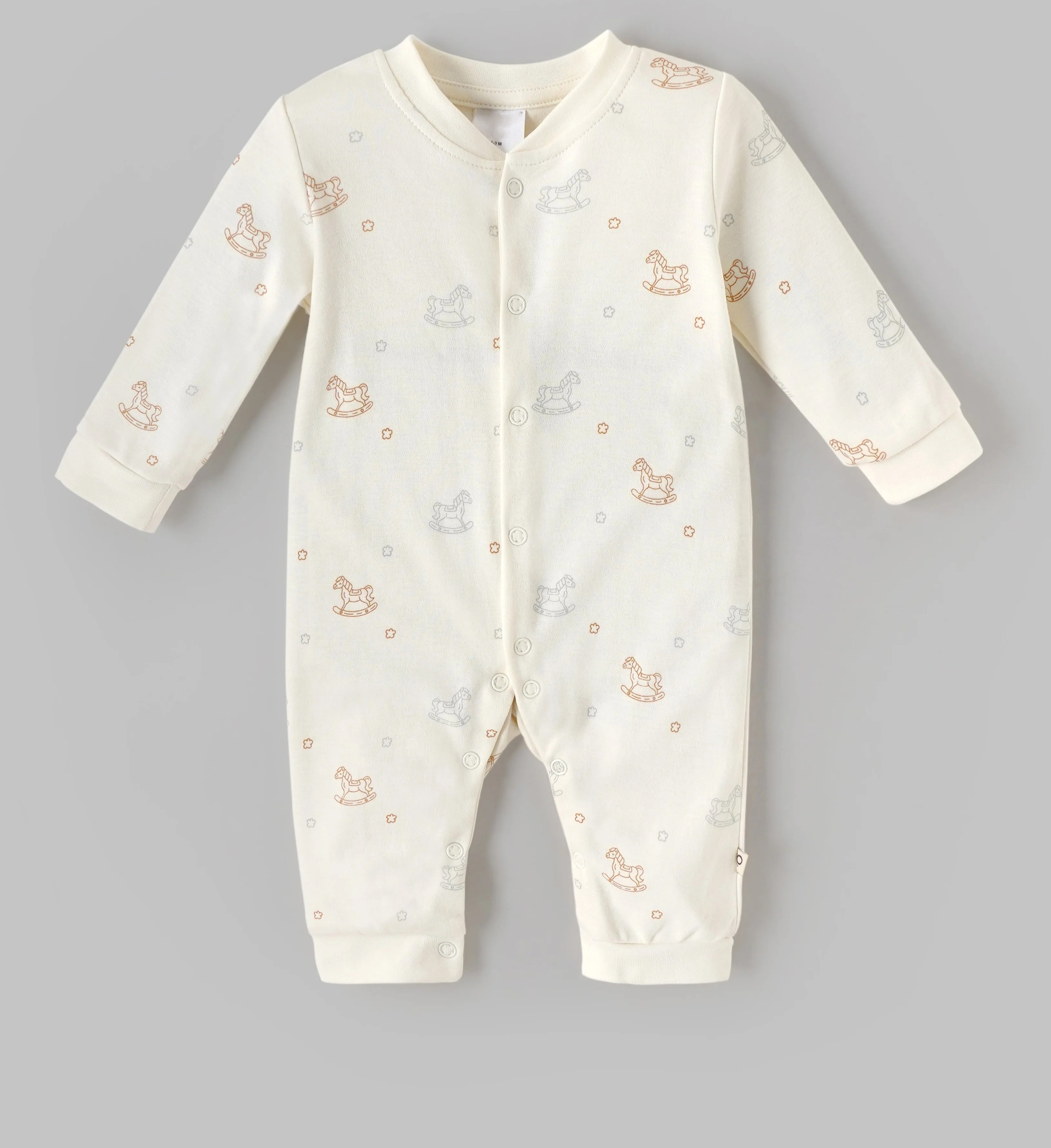
Double-padded cotton baby garment, front view
Life Cycle Assessment · Textiles August 2024

Cradle-to-gate impact of a baby romper

Carried out with an infant wear manufacturer in Kerala, following a site visit and process walkthrough, this cradle-to-gate life cycle assessment covers a full-sleeve, front-open romper (0–6 months) in 100% organic cotton, 190 GSM interlock knit, made from fabric sourced in Tiruppur and distributed to franchise stores across three states. Carbon, water and all 18 ReCiPe 2016 midpoint indicators, prepared to ISO 14040 and 14044.

110 g
Functional unit
1.13 kg CO₂e
Per romper
~1,114 L
Water footprint
89.4%
From fabric production
Read the case study →
More studies are being prepared across carbon accounting, decarbonisation and ESG reporting engagements. Published as client permissions allow.